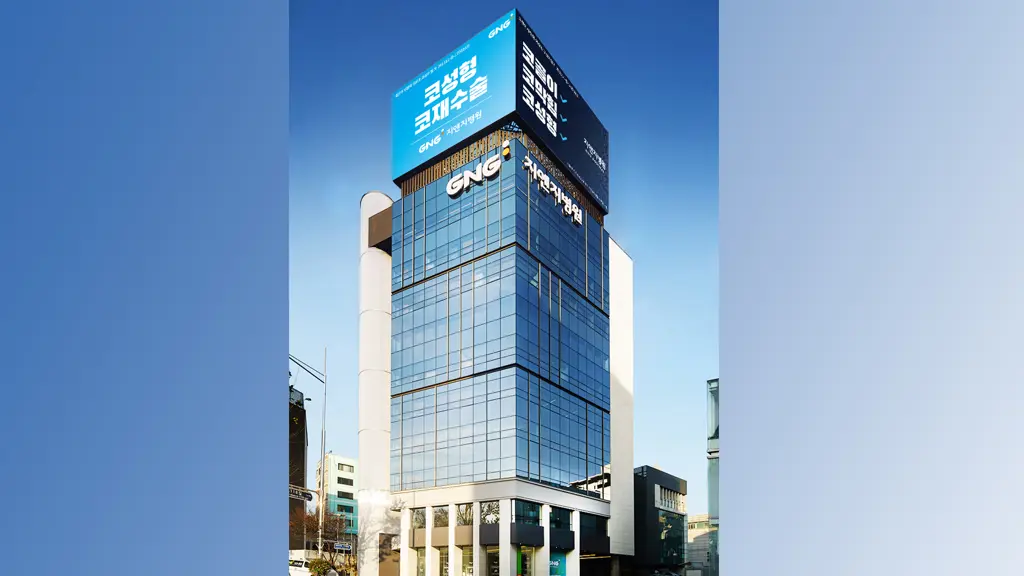
Where is GNG Hospital_Rhinoplasty Clinic and what care does it offer?
GNG Hospital_Rhinoplasty Clinic is located at 626, Yeongdong-daero, Gangnam-gu, Seoul, Republic of Korea. Its listed areas of care include Deviated Septum Surgery, Nose Bridge Augmentation Surgery, Rhinoplasty (Nose Reshaping Surgery).
A closer look at GNG Hospital_Rhinoplasty Clinic
Understanding the clinical focus
The hospital is at 626 Yeongdong-daero, Seoul. Its listed clinicians include Yong-Hae Seong, Sung-Moon Hong, Sung-Hun Lee, Young-Ha Lee, Sun-Hong Kim and Do-Jin Hyun. Patients should confirm the clinician responsible for their assessment and any proposed operation.
When both breathing and appearance are concerns, the consultation should explain how each will be evaluated and how the surgical plan addresses them. A cosmetic change does not by itself establish that an airway problem has been treated.
Planning a useful consultation
Provide details of previous nasal operations, trauma, implants, allergies and medicines. For revision surgery, ask whether earlier operative notes are needed and what limitations arise from existing scar tissue or altered anatomy.
Before arranging travel, confirm the anesthesia and monitoring plan, follow-up schedule and the route for urgent review. Obtain an itemized quotation and ask how unexpected additional treatment would be handled.
- Location
- 626, Yeongdong-daero, Gangnam-gu, Seoul, Republic of Korea
- Field of care
- ENT
- International website languages
- English, Mongolian, Russian, Vietnamese, Thai, Japanese

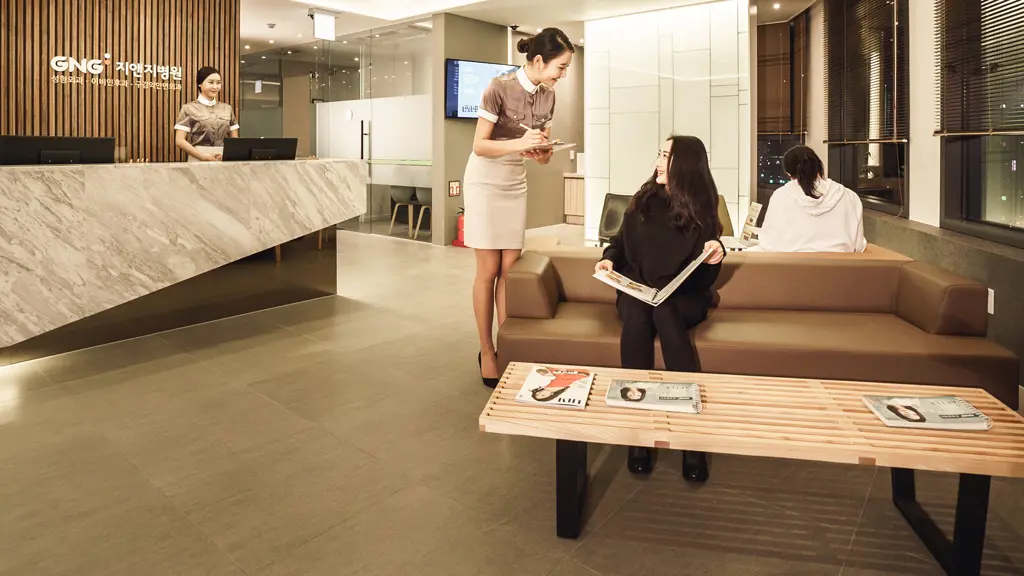
Clinical focus & treatment choices
The clinic lists the following areas of care. The consultation should establish which, if any, is appropriate for your diagnosis and goals.
Approaching ear, nose and throat care
Describe breathing, hearing, voice, sleep or sinus symptoms separately, including how they affect daily life. Functional problems may need a different assessment from cosmetic concerns. Ask which findings support the diagnosis and what can be tried before a procedure.
Bring previous scans, hearing tests or operation reports when available. Discuss recovery in relation to speaking, eating, pressure changes and travel, and ask for an individualized follow-up plan.
Treatment options to discuss
- Contracted Nose Reconstruction
- 3D Custom Implant Rhinoplasty
- Septal Rhinoplasty
- One-Day Nasal Bone Reduction Surgery
- Nasal Tip Surgery
- Revision Surgery for Nasal Obstruction
- Low Nasal Bridge
- Rhinitis
- Nostril Surgery
- Upturned Nose/Short Nose
- Bulbous Nose
- Deviated Septum
The people behind your care
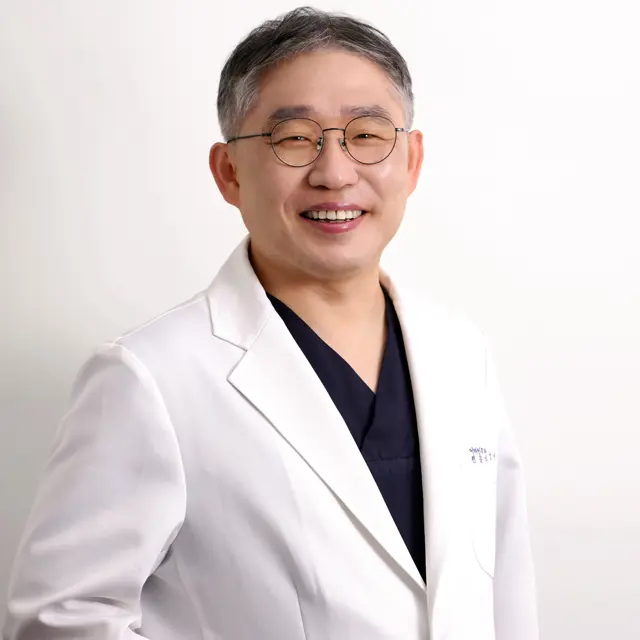
Dr. Yong-Hae Seong
GNG Hospital_Rhinoplasty Clinic
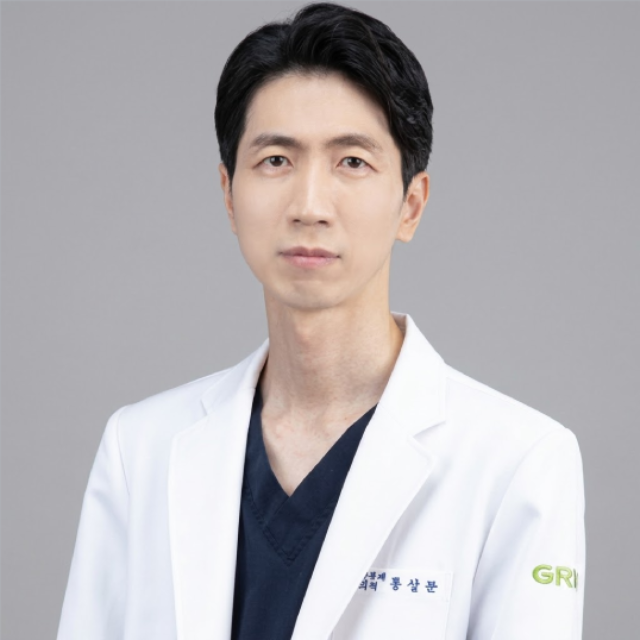
Dr. Sung-Moon Hong
GNG Hospital_Rhinoplasty Clinic
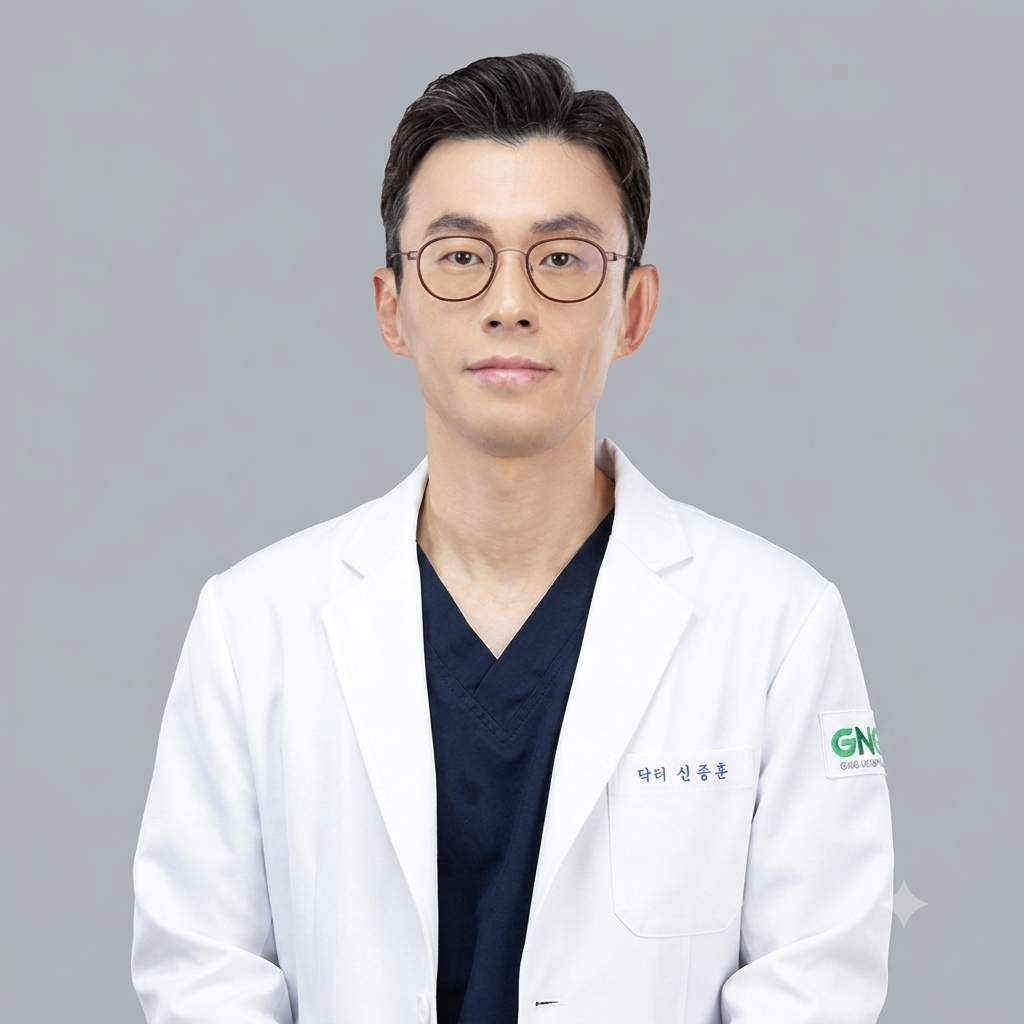
Dr. Sung-Hun Lee
GNG Hospital_Rhinoplasty Clinic
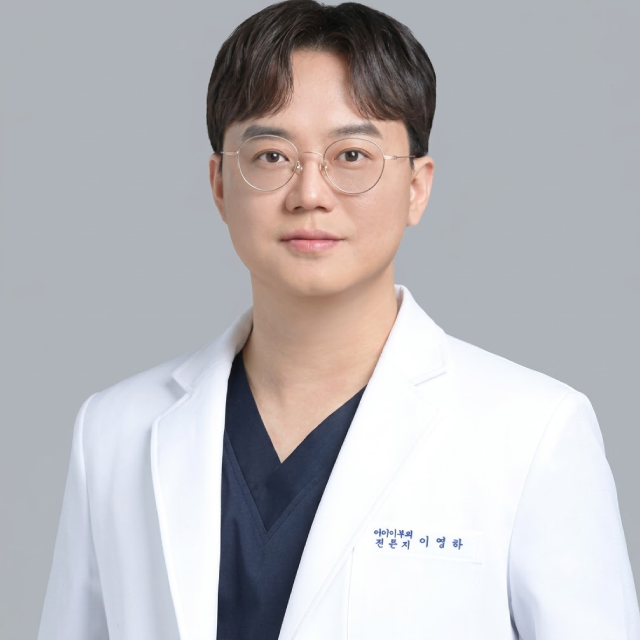
Dr. Young-Ha Lee
GNG Hospital_Rhinoplasty Clinic

Dr. Sun-Hong Kim
GNG Hospital_Rhinoplasty Clinic

Dr. Do-Jin Hyun
GNG Hospital_Rhinoplasty Clinic
Plan the practical details
Use the clinic’s international website to discuss your reason for visiting and request an appointment plan before arranging treatment. Send relevant medical records through the clinic’s designated secure channel, including previous procedures, current medicines, allergies and any recent test results.
For your visit to GNG Hospital_Rhinoplasty Clinic, confirm the exact building, floor and appointment time. The published address is 626, Yeongdong-daero, Gangnam-gu, Seoul, Republic of Korea. Check whether the first visit is an assessment only and whether additional testing or another visit may be necessary.
Ask for a written estimate that separates consultation, tests, treatment, anesthesia where relevant, medicines and follow-up. Confirm cancellation terms and which costs could change after examination. Website translation does not by itself establish that a particular language interpreter is available; confirm the language arrangements for your appointment, consent discussion and aftercare.
Before returning home, request a treatment summary, medication instructions and a clear route for clinical advice. Ask who will arrange care if a problem develops after you leave Korea, and what records your local clinician should receive.
Bring these questions to your consultation
- Which findings explain the symptoms?
- What nonsurgical options are appropriate?
- How will the procedure affect breathing, hearing or voice?
- When can I resume normal activity and travel?
Prepare for your first medical consultation ↗